Eurocomach & Fabbri SRL: The evolution of construction in Southern Italy

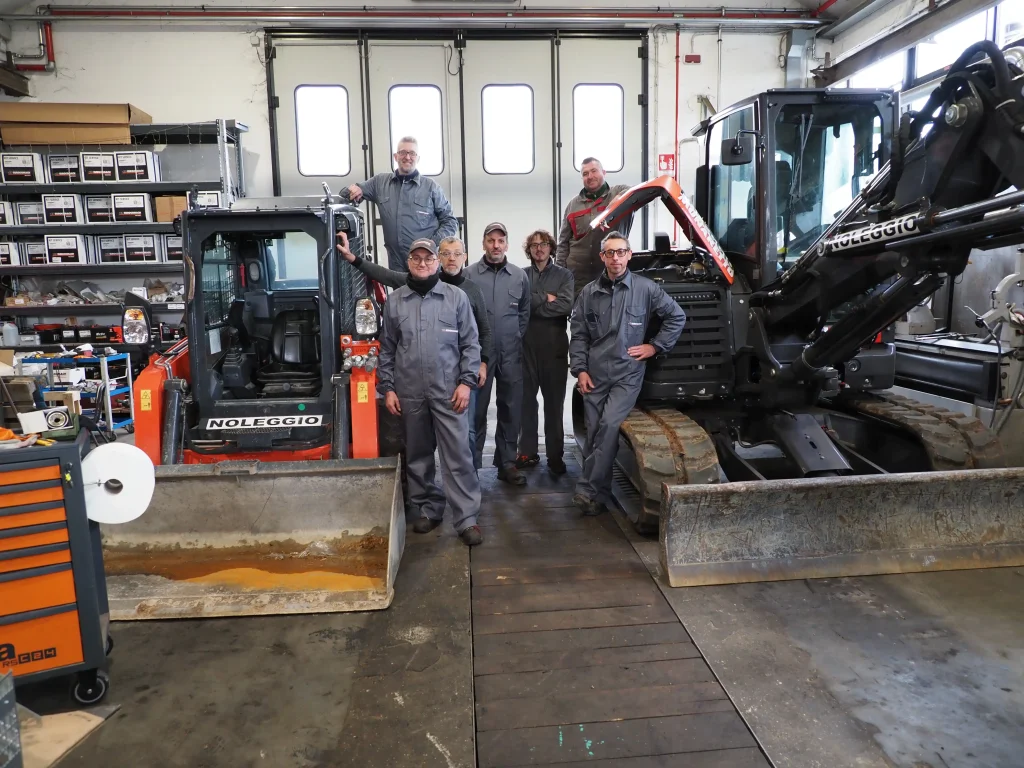
From a mechanical workshop to a strategic consultancy for major utility projects: we meet Fabbri SRL, Eurocomach’s benchmark in Southern Italy. A company that has made service excellence and rapid response its trademark

Support Born in the Field

The Fabbri dealership has a history rooted in mechanics. This technical expertise translates into a unique ability to understand the machines and, above all, the needs of those who operate them. Covering both Puglia and Basilicata, Fabbri doesn’t just sell: they ensure that the work never stops.

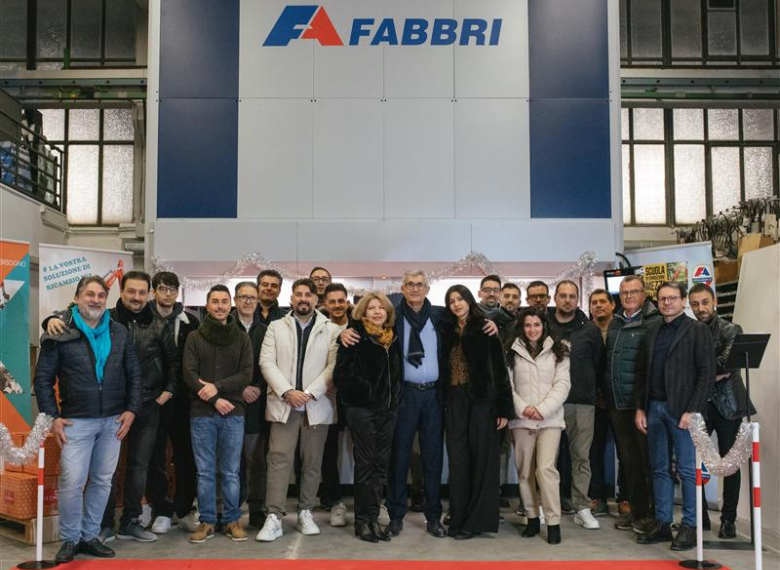
We interviewed Antonio Fabbri, Managing Director of the namesake company, to understand how Eurocomach has contributed to their growth.

The Interview: A Word with Fabbri SRL

E: You have a significant history that began as a mechanical workshop. How much does this expertise matter in your after-sales service?

For us, technical support comes first. Fabbri started as a workshop, and this DNA drives us to make after-sales service the foundation of everything we do. Today, we also sell spare parts online, but our true value is delivered on the construction site.

Customers choose us because they know they will never be left alone: we offer direct, proactive support to ensure their machines are always operational. Managing service with expertise and speed is what allows us to provide every client with a truly ‘premium, white-glove’ experience.

E: What is the value of having a direct relationship with the manufacturer’s Service department?

It is fundamental. We have a very direct relationship with Eurocomach Service and work in close synergy with their technicians and quality managers. This collaboration allows us to intervene quickly, even when facing the challenges of modern electronics.

Our shared goal is to minimize downtime: when a customer has a problem, we are ready to intervene immediately, often anticipating solutions to ensure the site never stops. It is this responsiveness that makes them choose Eurocomach again.
E: Speaking of products, what sets Eurocomach apart in the eyes of an operator from Puglia or Basilicata?

Beyond the attractive design, it is the performance that wins people over. Eurocomach machines offer superior power and speed compared to their competitors.

We made the real leap in quality through customization: solutions like mulcher systems on small models or triple-articulated booms have created a clear gap between us and other brands. These are machines that allow for applications that were previously unthinkable.

E: What are the driving sectors in your region, and which models do we see most often in action?

In Puglia and Basilicata, we work extensively on renovations and underground utilities. In Salento, for instance, compact models like the 12ZT or 18ZT are ideal for urban construction sites. However, when we move to utilities—aqueducts, fiber optics, power lines—machines between 3.5 and 6.5 tons take center stage.

In these contexts, the excavator becomes a multi-functional machine: thanks to Eurocomach’s hydraulic power, our customers mount cutters, augers, and specialized attachments, transforming the vehicle into a true mobile service center.

Munaretto & Eurocomach: transforming the excavator into a robot

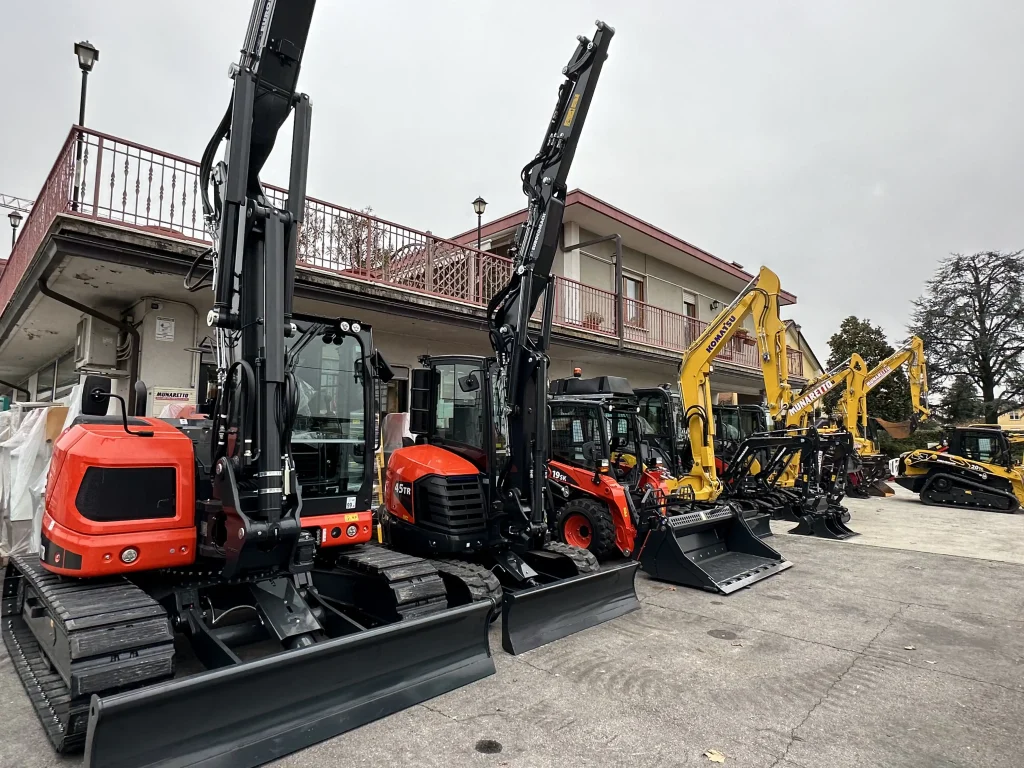
In the heart of the Vicenza area—where construction means precision and managing tight spaces—the partnership between Munaretto and Eurocomach has deep roots. It is a decade-long collaboration born under the sign of Italian “tailor-made” quality, which is now evolving to meet a landmark challenge: labor shortages and the need for automation. We spoke with Mauro Munaretto, head of the namesake company, to understand how technology is reshaping work on the ground.

For Munaretto, choosing Eurocomach was a strategic decision. In a market dominated by global giants, the brand’s Italian identity

Eurocomach is an Italian brand tailored exactly to the needs of our market. The product is designed and developed for us: you can see it in the zero-tail swing machines and the flexibility in customization. If a customer wants a machine in a specific color, Eurocomach answers: ‘It can be done’.

Technology as a Selling Tool: Rental as a Test Drive

Mauro Munaretto has a clear vision regarding technical quality: never skimp on performance, because a machine that works well is the best possible advertisement. An example? The variable displacement pump on the small 14SR.

We have always focused on the highest-performing machines, even in our rental fleet. If you give a customer an entry-level machine that is jerky and lacks power, the brand’s image suffers. If instead you offer a product that works perfectly, the customer returns and buys. Our 14SR fits through 80 cm doors and features a variable displacement pump that makes all the difference: once the operator uses it, they notice it immediately.

The Triple Boom: Evolution Toward the “Construction Site Robot”

One of the key strengths discussed with Munaretto is the geometry of the machines, specifically the triple boom, available across the entire range, from 1.9 to 10 tons.

The excavator is becoming the construction site robot. It once served only for digging, but today it is a tool carrier: grapples, hammers, mulchers. At a time when labor is scarce across Europe, the machine must relieve humans of heavy work and multiply production. The triple boom is like a human hand: it allows you to work in difficult positions with surgical precision.

Zero Tail: Moving Through Italy’s “Tight and Narrow” Spaces

The Italian operating environment consists of historic centers and confined spaces. In this context, the Zero Tail design is a necessity that must, however, coexist with visibility.

We don’t work in the desert or in Dubai; we are always in cramped environments. Zero tail swing is a huge advantage. What we appreciate about Eurocomach is that, despite current technical complexities, the operator still has real visibility from the cab. You don’t need cameras to see where you are: you can do it with your own eyes.

For more information: the “stars” of this interview

In the meeting with Mauro Munaretto, several key models emerged that are defining work on construction sites in the Vicenza area.

If you would like to learn more about the technical specifications of the machines mentioned by the dealer:

Eurocomach in Denmark: the evolution of the construction site between specialisation and the green transition

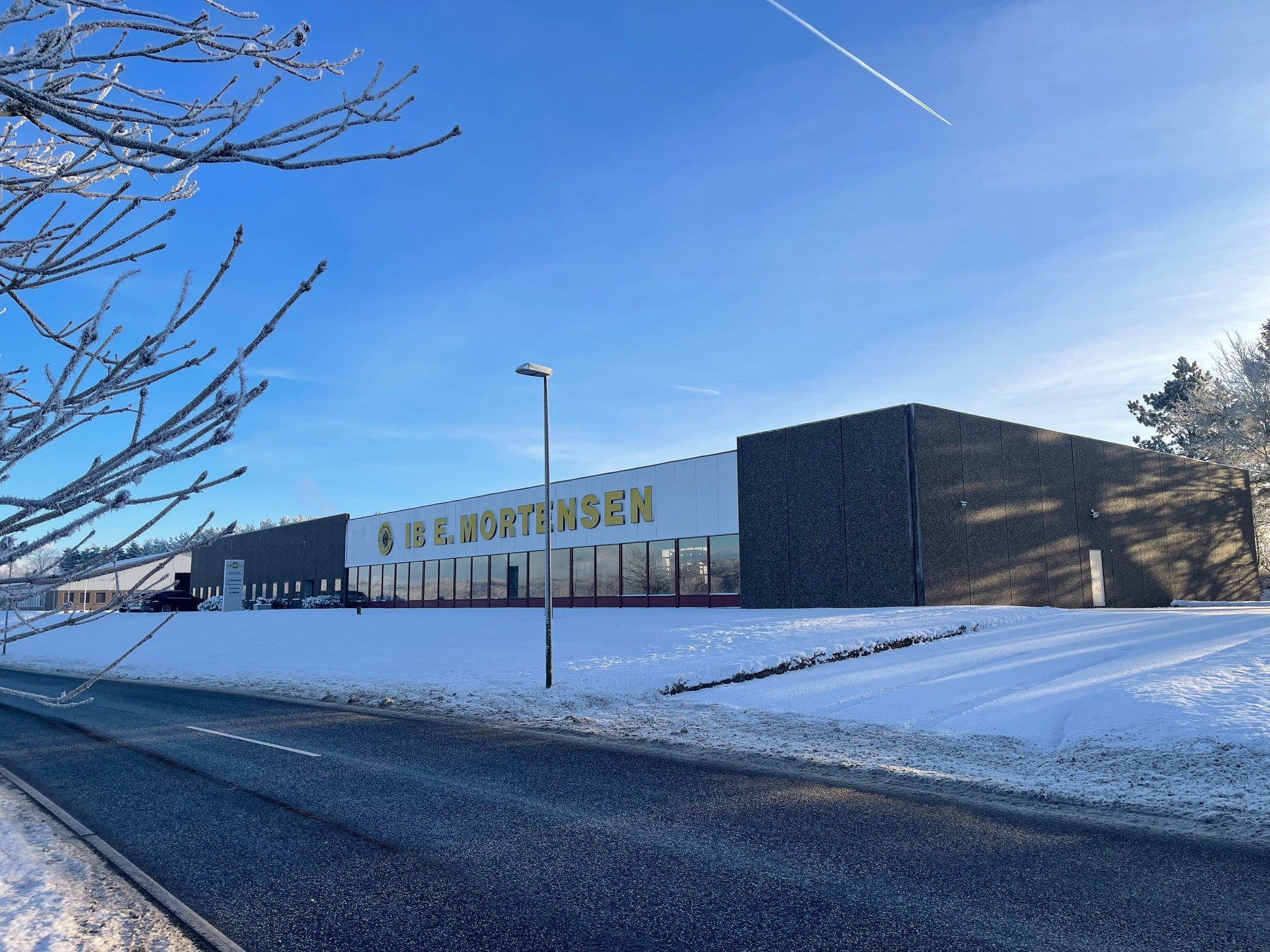
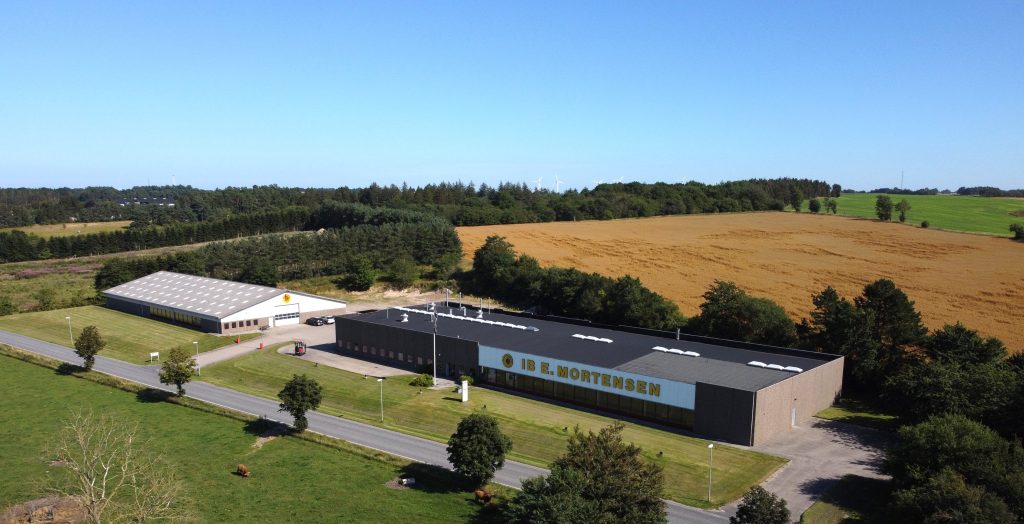
In Denmark, the earthmoving market must be sustainable, highly technological and tailored to individual needs. The partnership between Eurocomach and IB E. Mortensen A/S (IEM), established in 2013, has drawn strength from this mission and is based on a strategic vision: to offer a range of mini excavators featuring innovative solutions, specifically designed to meet Denmark’s stringent standards and operating conditions. This decision has enabled IEM to position itself as the undisputed specialist in compact machines up to 10 tonnes, a key segment for every negotiation and every single customer.

A shared vision: the value of the specialist

IEM’s decision to partner with Eurocomach stems from the fact that both are family-run businesses focused on quality and flexibility. In a market historically dominated by backhoe loaders, IEM has capitalised on the growing demand for mini-excavators on urban construction sites, where space is limited but performance requirements are high.

IB E. Mortensen dealer Eurocomach

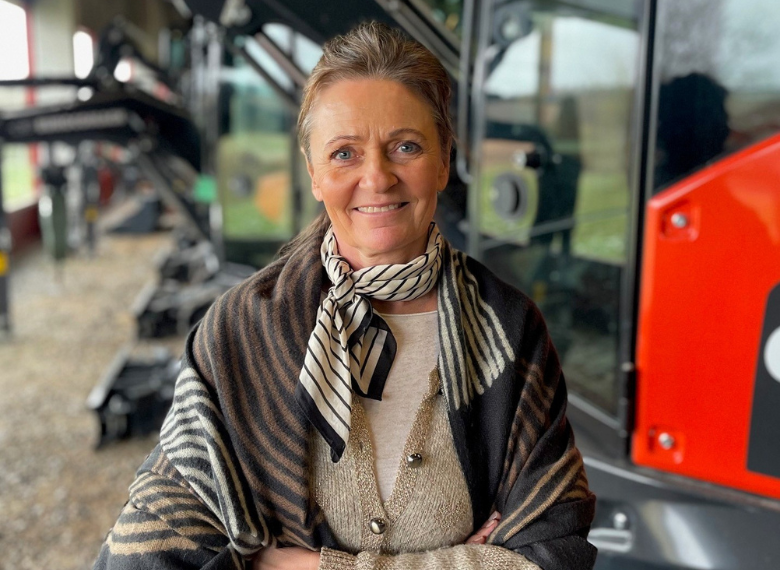
We had been looking for a long-term partner specialising in ‘Made in Europe’ compact machinery,” explains Ilse Thomsen. “In Denmark, every customer counts: positioning ourselves as specialists in machines up to 10 tonnes, with bespoke solutions, was our winning move.

Setting new standards: the ‘Micro’ revolution

The turning point came in 2017 with the 12ZT. This machine established the brand’s reputation thanks to its distinctive technical DNA: a Zero Tail configuration, proportional joysticks and a level of operating comfort unprecedented in this category.

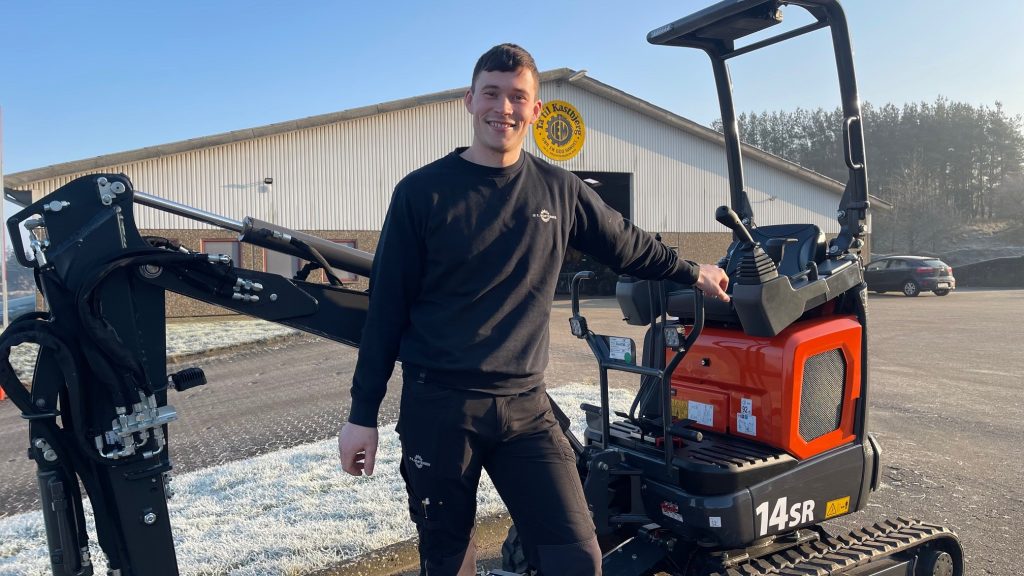
14SR Eurocomach

Success came when we introduced models such as the 12ZT and 14ZT with proportional joysticks: a technology that had never before been seen on such small machines in Denmark. Operators took to them straight away.

Green Transition: The Power of Electric

Denmark is a leader in the green transition, and zeroemission solutions are now a mandatory requirement for municipal projects. Eurocomach, acting as a ‘first mover’ with its electric range, has enabled IEM to establish a strong market presence with machines capable of matching the digging power of diesel models.

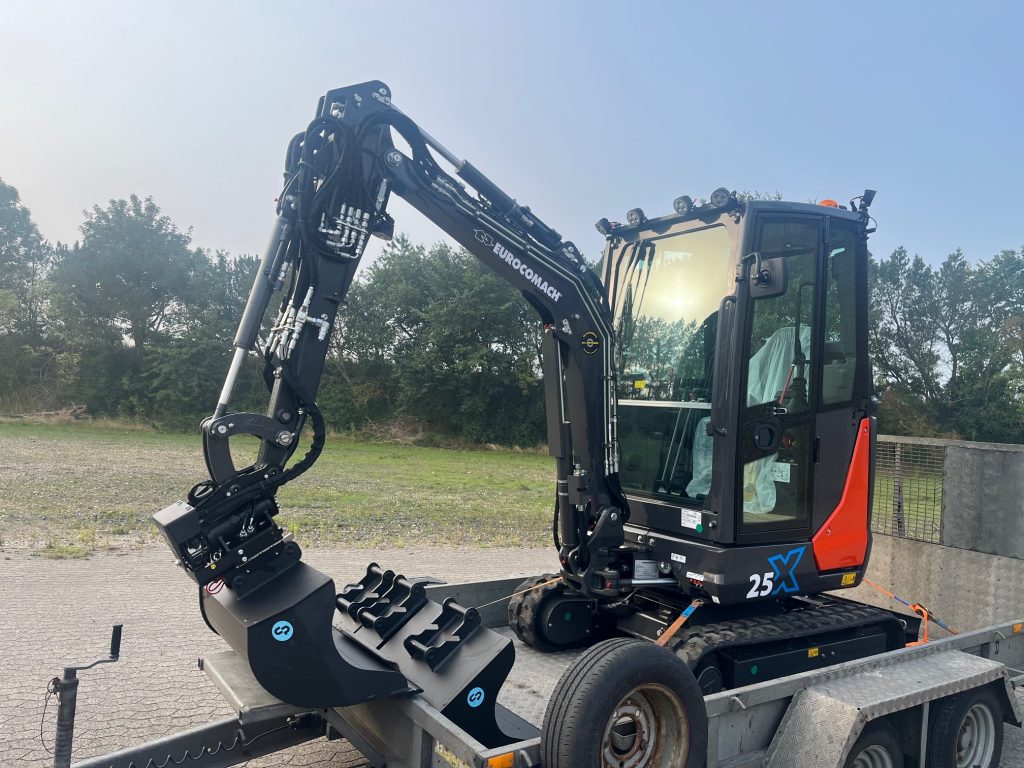
Eurocomach was an early adopter of electric technology. Our customers are delighted with the 15X and 25X models. Of course, the challenge remains the price compared to diesel engines, but when the government requires zero emissions for a tender, we have the solution ready. Operators are surprised by the power of these machines: if you work smoothly, the battery lasts much longer than you might expect.

25X Eurocomach

Tilt-rotator: the “winning weapon”

One of the most striking innovations introduced by Ilse’s team is the integration of tilt-rotators (rotating heads that allow the bucket to rotate 360° and tilt) on very small machines.

We did something crazy: we fitted tilt-rotators to 1- or 2-tonne mini-excavators. When we posted the videos on social media, people from all over Europe got in touch asking, ‘How did you do that?

The secret lies in the Eurocomach hydraulic system, which is already designed to accommodate complex attachments, transforming our machines into versatile tools capable of handling any task.

The “Luxury” Construction Site: Beyond Functionality

A curious trend is emerging in Denmark: a desire for extreme customisation, almost as if we were talking about luxury cars.

Ilse Thomsen IB Mortensen

Danish customers are a bit spoilt; they seek absolute comfort. They ask us for extra lighting, special seats and luxury finishes. We listen to every requirement and build a bespoke car. This ability to customise, combined with a direct line to the factory in Italy for spare parts and support, is what sets us apart from all our competitors.

The Rhythm of the Line, the Pace of Life: Stories of Working Mothers

Voices from our place

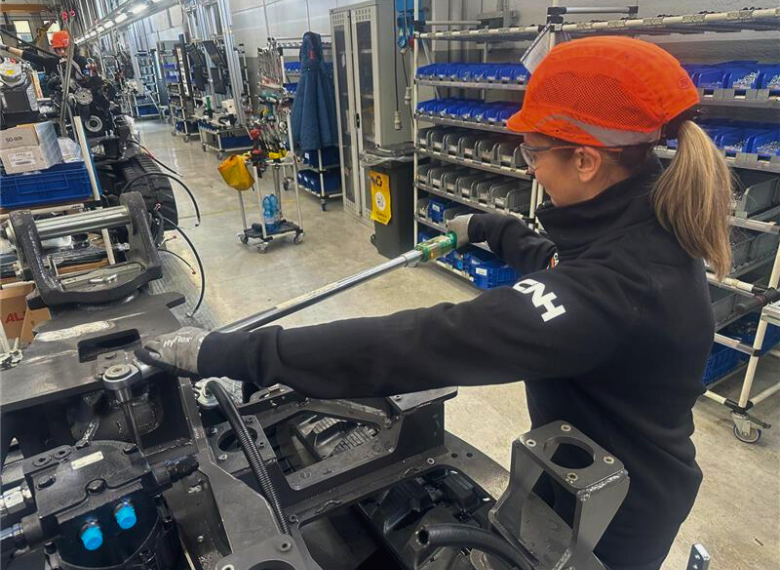
There is an invisible line between the rhythm of a production line and that of a family. It is marked by schedules, routines, and last-minute solutions. Tying it all together are the women and mothers who punch the clock every day in the workshop and the warehouse.

We gave a voice to four of them. They tell us that motherhood is not a hurdle, but a training ground for growth—even in the workplace.

Altomare: Head of Line 2 and mother of Kevin (11)

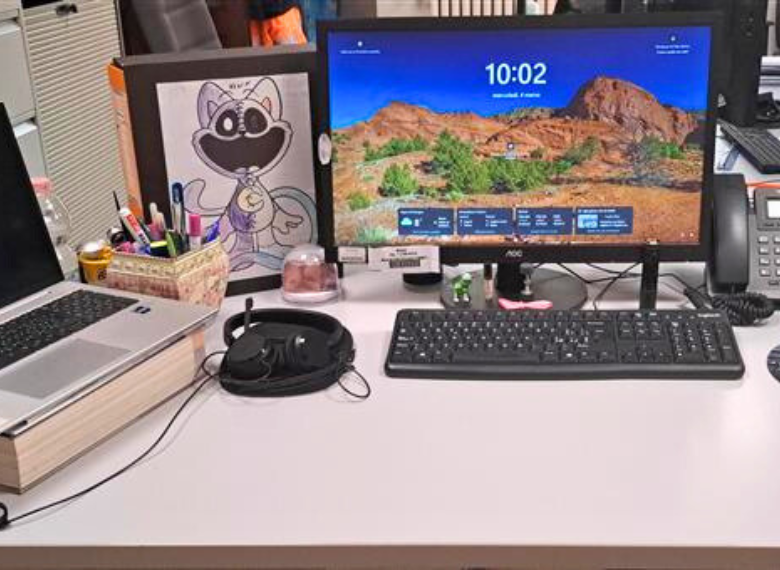
The desk of Altomare, Head of Line 2, tells the story of two worlds. Tucked between the monitors, a drawing by her son Kevin serves as a daily reminder of what is built outside the company walls.

Being proud and satisfied with her work has also helped her to be honest during the most difficult moments, when the separation between mother and child gives way to sadness.

For her, motherhood is a training ground for operational efficiency: she has learned to solve the problem before the gear stops, bringing the listening skills and firmness needed at home.

I always tell my son the truth: Mommy goes to work for you, too—for your future and for ours”. 

Olha: The Resilience Strategy

Working in production for three years in hood finishing, Olha has learned that quality work is also born from peace of mind. She built a support network by relying on a babysitter to manage family logistics. This balance made her realize an important truth:

Family doesn’t stop you from working: in fact, it’s an added value because you feel more fulfilled when you manage to handle both things well together..

Angela: The Added Gift of Motherhood

In the warehouse, checking part codes leaves no room for distraction, and Angela, dedicated to this daily task, discovered that the birth of her daughter brought a new resource: calmness. Returning to work saw her transformed, with a new ability to weigh stress and priorities, becoming a more centered professional:

Since becoming a mother, I’ve calmed down; it has changed me a lot. I used to be much more nervous, but now I’m more centered and peaceful at work too.

Rosa: The Value of Independence

Rosa assembles cab pre-mounts—the standard and optional accessories that make every machine unique for the customer. For her, living far from her roots and without the daily support of grandparents, her work at Sampierana has become a fundamental pillar: not just a paycheck, but a space for independence and personal gratification she wants to pass on to her daughter.

I hope my daughter manages to be independent, despite the challenges a woman may face. Seeing her grow up that way would be a wonderful thing for me.

Four different voices, one shared message: you can be a woman, a worker, and a mother. The strength of our line is also built on this ability to hold everything together—with hard work, pride, and an extraordinary normality.

Global Talent Growth: Rafael Renno and the Electronics of the Future

The CE PD Master Programme: Rafael’s testimonial

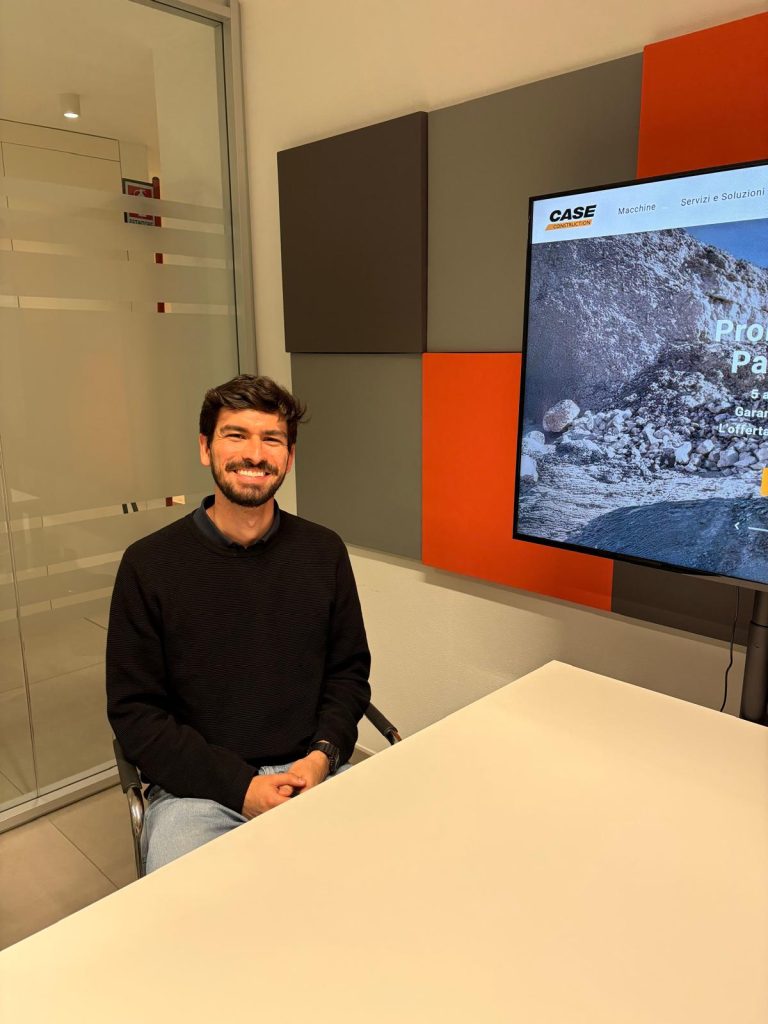
After exploring Rubia Pimenta’s experience, we continue our journey within the CE PD Master Program CNH with the testimony of Rafael Renno, System Engineer. While Rubia’s path allowed us to delve into product management and plant operations, Rafael takes us into the technological heart of the company, specializing in vehicle electronics and software, with a strong focus on cutting-edge technologies.

His international Job Rotation was based in Turin, a strategic hub for innovation, but also gave him the opportunity to collaborate closely with the Lecce team. This created a direct bridge between CNH’s different Italian centers of excellence, significantly accelerating his professional growth.

In questa intervista, ci ha spiegato come il passaggio dalle operazioni brasiliane alle linee di produzione italiane le abbia permesso di padroneggiare le piattaforme Grader e Telehandler, acquisendo esperienza diretta presso il Proving Ground e riportando competenze all’avanguardia in CNH Brasile.

Q: Rafael, how did your journey with CNH and this Master program begin?

I graduated in Electrical Engineering, and my internship was already in the construction machinery sector. I knew how big CNH was and its impact on the market, so I was very interested in joining. When I heard about the Master program on a YouTube live show, especially the possibility of an advanced degree in technology and global rotation, I knew I had to apply.

What was the most valuable part of the Job Rotation for you?

Having a broader view of product development.

We rotated through engineering, product validation, and platforms. Understanding how an action in engineering impacts the platform or the validation process is essential. It helps you see the “big picture” of how a machine is developed.

Turin and Lecce: the culture of dialogue

Q: You spent time in Turin and Lecce. What did you learn from the Italian work culture?

It was a great cultural exchange. I noticed how Italians approach problems: they can be very energetic and passionate during a meeting when discussing an issue, but as soon as it’s over, they are friends again, going for a coffee together. I think this ability to debate intensely and then remain close colleagues is a great quality to bring back to Brazil.

Q: From a technical standpoint, what were the highlights of your experience in Italy?

Back in Brazil, the university courses exposed us to cutting-edge tech like machine learning and electrification. Here in Italy, I joined the Vehicle Electronics team. Spending time with them in Lecce sped up my learning significantly. I was able to dive deep into electronic integration and software development, which are the future of our industry.

The baggage of experience

Q:What are your final thoughts on this journey?

I can say that this Master’s has been an incredible experience. From the internal rotations in different areas of product development to the academic courses and, finally, this global rotation in Italy, it has been amazing. I am truly grateful for this gigantic opportunity.

Q: What is your personal goal now that you are returning to Brazil?

My goal is to become a reference for vehicle electronics at our Contagem plant. Being currently the only member of this specific team in Brazil, I want to use the “baggage” of knowledge I acquired in Italy to lead new solutions. The market is inevitably moving toward electronic and electric machines, and I want to be ready to change the mindset of the operators with these new technologies.

Interviewing Rubia Pimenta: Bringing innovation from Brazil to Lecce

The CE PD Master Program: The Job Rotation program

The CE PD Master Program CNH is a strategic investment in CNH’s most asset: its people. All participants are hired through this program, which structures their professional growth around an intensive Job Rotation designed to broaden their technical and cultural horizons.

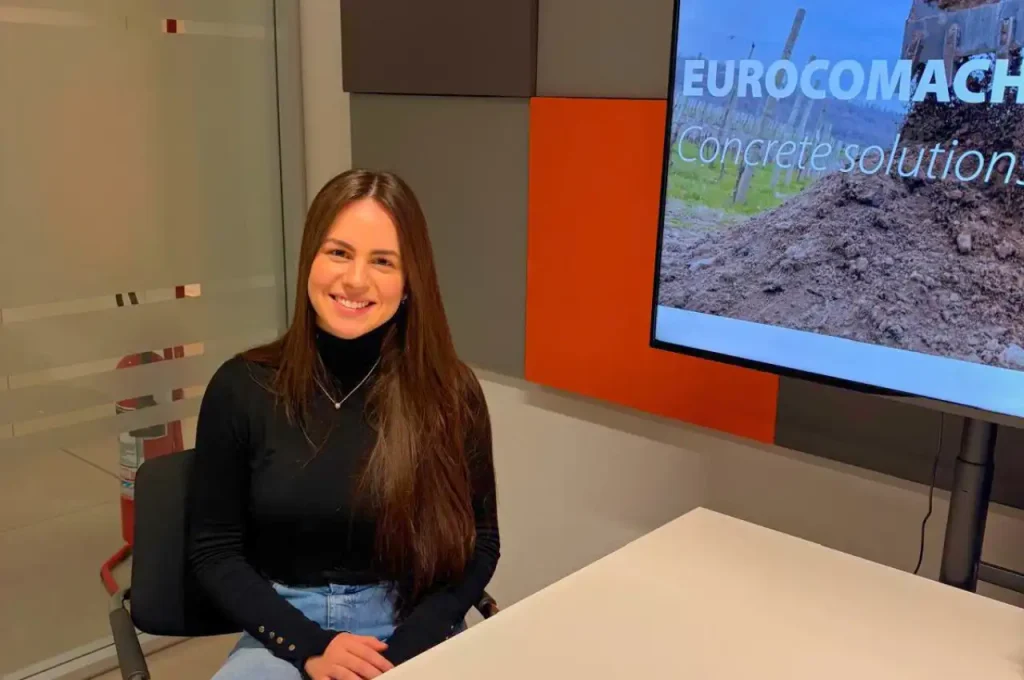
For Rubia Pimenta, Wheel Loader CRB from the Brazilian team, this journey led her to the Lecce plant in Italy.
Determined, precise, and driven, Rubia shared her personal story and an experience that has made her even prouder of her career path. Speaking with her conveyed a sense of positivity and energy—qualities that will undoubtedly define her professional future.

In this interview, she explains how moving from Brazilian operations to the Italian production lines allowed her to master the Grader and Telehandler platforms, gaining firsthand experience at the Proving Ground and bringing cutting-edge expertise back to CNH Brazil.

Q: Rubia, how did your journey with the CNH Master program begin, and what did you discover during your rotations?

Rubia: I was already familiar with CNH because my family works in this sector, but I had never experienced the machines at this level of depth. It was a wonderful surprise. During my rotations, I started on the grader platform and realized that I love working on projects. As a Management Engineering graduate, I wasn’t as close to the technical side before, so having contact with Product Engineering and the Proving Ground was amazing. Getting to operate the machines and understanding how our engineering decisions impact the final customer was a turning point for me. So, I can say that during my internship I realized what I really love to do.

Intervista Rubia

Rubia: Being here allowed us to witness different processes. The workflows in Italy differ from those in Brazil, and we had the chance to interact directly with suppliers and customers.

Understanding a different market is vital. However, the most important part for me was the human element. Meeting the people and my mentor in person, after months of talking only via Teams, changed everything. You understand people’s reactions better and build a different kind of rapport. This networking is essential for our future collaboration within CNH.

The Lecce Experience: Inspired by the Italian Model

Q: Did you focus on specific models or technologies during your stay at the Lecce plant?

Rubia: I spent most of my time on graders, which is my main platform. However, I also worked with telehandlers, which was very exciting because we don’t have that specific platform in Brazil. It was great to study a new product and the unique processes behind it.

Q: What struck you most about the Italian production lines compared to your experience in Brazil?

Rubia: The assembly line process here was the most exciting part for me. It is incredibly compact and organized. Seeing the high volume of machines produced in such a small, efficient space at the Lecce and Sampierana plants was eye-opening. It showed me how we can improve our space utilization back home to maximize productivity.

The Power of Change

Q: What is your personal goal after completing this Master program?

Rubia: My goal is to use this experience to do something different and improve our processes. I received a promotion during this period, which makes me very happy because it shows my work is being recognized. I want to “give something back” to CNH by applying everything I saw here to make a real difference.

Rubia: It is the same in Brazil, but I have never felt held back. My team respects me and listens to my input. I can see the scenario is changing. In Italy, I’ve noticed many women in management and director roles, which I really appreciate. We are moving in the right direction, and I hope to be one of those leaders in the future.

Rubia Pimenta CE PD Program2

Voices from Finland: testimonial from our dealer Minikone

Robustness, comfort and technology at the service of the Far North

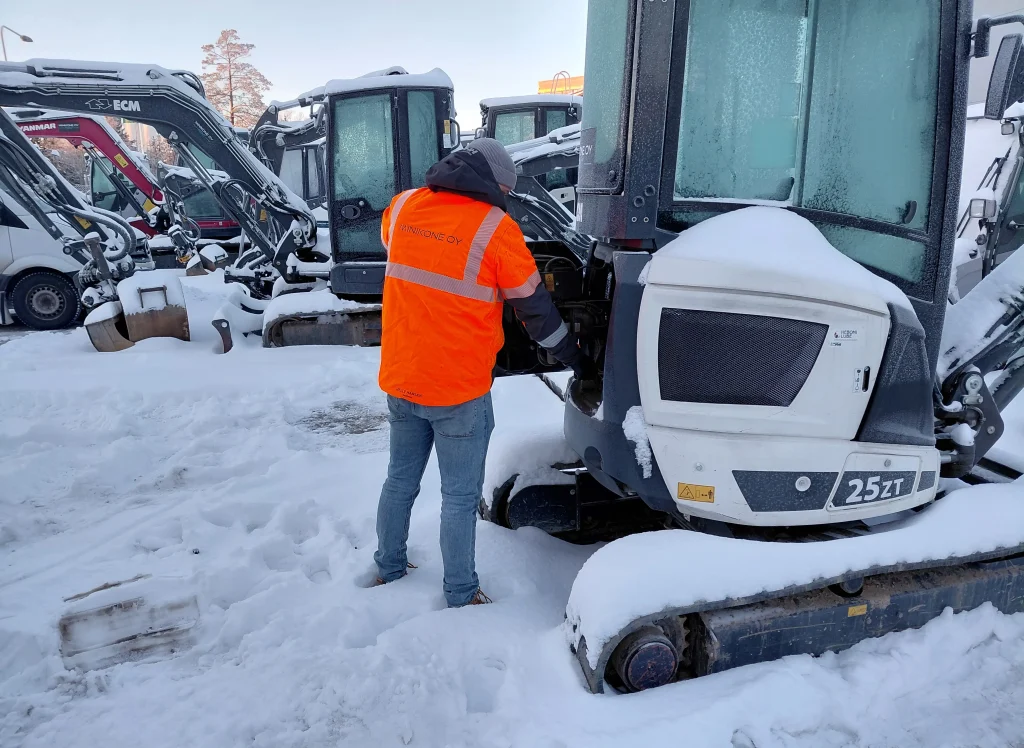
The Finnish market has also been a landing place for our Eurocomach machines for several years. We interviewed Aleksi Lampinen, co-owner of Minikone, an excellent partner that now manages a fleet of around 70 machines from our brand.

Hi Aleksi, thank you for being here with us. To start, could you tell us about the history of Minikone and how your partnership with Eurocomach began?

Thank you. I have been with Minikone since 2021, but our history with Eurocomach started around 2015 or 2016. We began with a small rental fleet, and our growth has been constant ever since. Today, we have about 60-70 Eurocomach machines in our fleet and have become a point of reference in Finland, also recognizable by our signature white-colored machines. In addition to rentals, we handle new and used sales, spare parts, and technical assistance.

The Finnish market is famous for its extreme weather conditions. Why did you choose our machines to face these challenges?

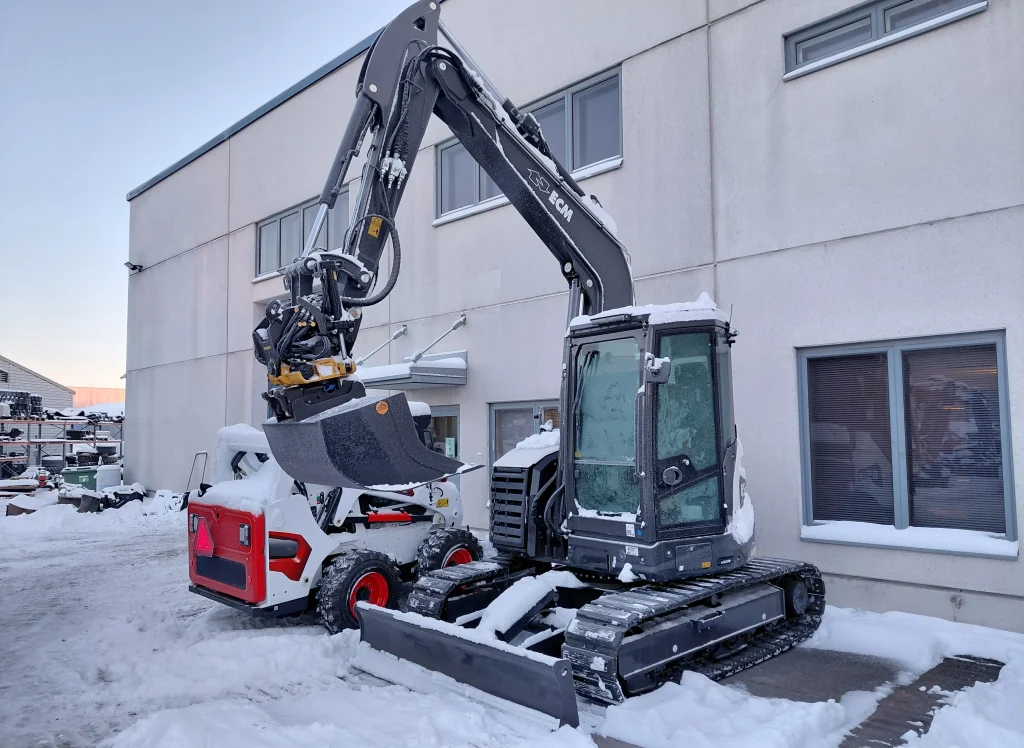
Mainly for their reliability and robust technology. They are strong machines with powerful engines, yet they maintain a compact size. During the winter, our customers greatly appreciate the comfort: the cabs are well-heated and protected. Since most of our work takes place in the Helsinki area, we need machines that are easy to maneuver in the tight spaces of the capital but powerful enough to handle frozen ground.

Speaking of the operator experience, what impresses your customers the most when they step inside a Eurocomach cab?

Visibility is undoubtedly one of the key strengths. Many of the machines we provide are Zero Tail Swing or short-radius models: this allows operators to have an excellent view of everything happening around the cab, significantly increasing safety on site. Furthermore, they really appreciate the hydraulic precision and general performance; you can feel that these machines are designed for high performance.

From demolition to forestry: tailor-made solutions for the finnish market challenges

Are there any specific sectors or projects where your customers use our excavators?

A very strong sector for us is indoor demolition. Many companies choose our smaller models because they can easily enter buildings to start dismantling from the inside. However, we also see interesting uses in the forestry sector with specific attachments, and even in tunnels. Occasionally, we receive requests for configurations that are rarer in Finland, such as the triple-arm (three-piece boom), which we provide to customers looking for maximum versatility for high-precision work.

We’ve noticed that in Scandinavia, machine equipment is very specific. What are the most requested attachments?

There is a huge difference here compared to other European markets: in Finland, about 90% of machines over 1.8 tons are equipped with a Tilt Rotator. The ability to rotate and tilt the bucket in every direction has become an indispensable standard for us. Additionally, we often mount timber grabs or cutting heads for forest maintenance.

To conclude, what makes you most proud to represent Eurocomach in your country?

Why Eurocomach? An Interview with Guaita & Schoorl B.V.

From Humble Beginnings to the Start of the Partnership

When did your business start and how did the partnership with Eurocomach begin?

The history of Guaita Schoorl goes further back than our current partnership. My partner, Mr. Guaita, sadly passed away last year. He was born in Italy and moved to Holland. I met him when I was 17 years old, as my father, who was a farmer, had bought a bulldozer from him. We started out buying and selling used equipment all over the world.

In 2002 we started our current business. The biggest part of our business remained used equipment, but we slowly began selling new equipment, primarily attachments from suppliers like Cangini Benne and Trevi Benne.

Dealer Eurocomach Guaita

Then, around 2016 or 2017, we met Marco Mosconi, sales manager. He came here and suggested: “It would be interesting for you to sell Eurocomach.” We started selling them, and from that moment on, it became an important part of our business

We started selling your brand, and from that moment on, it became an important part of our business.

Is there a specific memory from those early days or the first contact that convinced you of that choice?

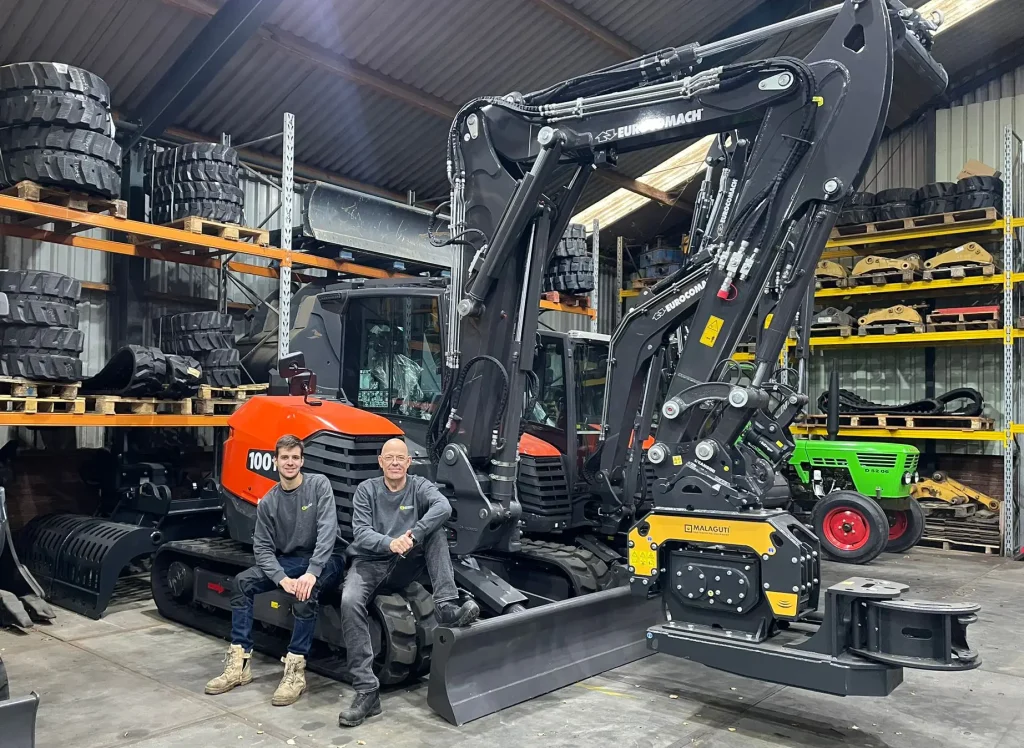
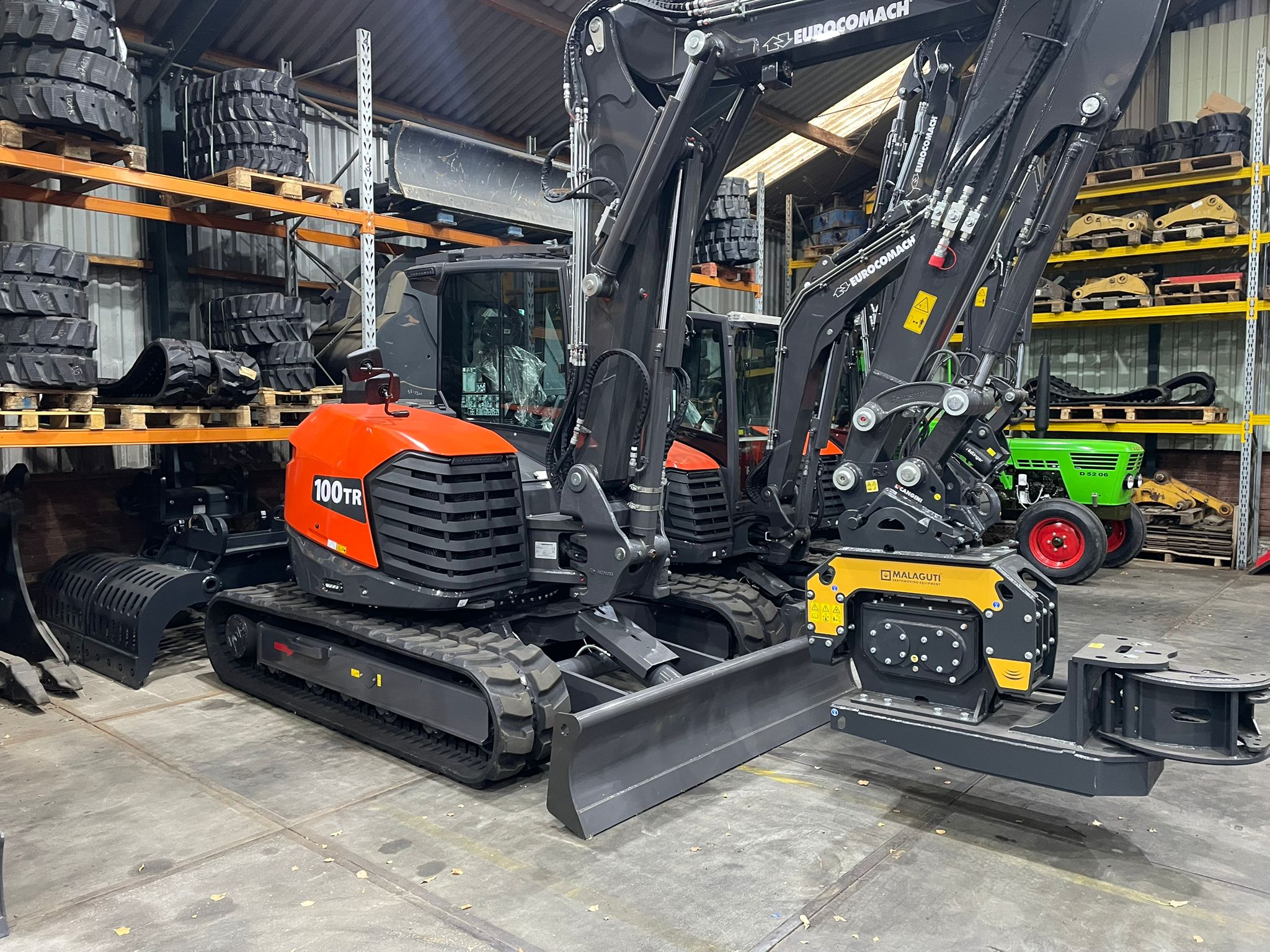
I was more the mechanic; Mr. Guaita was the businessman. When we started with Eurocomach, right from the beginning, it went well. The machines basically sold themselves because we had the 60TR , and you had specialized machines that other brands simply did not offer. You have a niche in the market. We have never sold a mono boom for the 60 model; it’s only the triple boom. That’s what made us big in our part of the country.

Kees also underlines the necessary change in mindset

In the beginning, I was a bit hesitant to start selling new machines because selling in Holland implies a different way of thinking. When you sell machines for export, those machines will go all over the world, and the management of warranty and service follows different logic. If you sell those same machines in Holland to local customers, then you must offer a different space to the clients and a different service, for instance, when they call for technical problems if the machine is broken. So, we had to learn that aspect a little bit.

The Cornerstone of Long-Term Cooperation

What is the one key element that has kept you loyal to the brand throughout this time until now?

The key element? That is success for us: we can make money. If there’s no profit, it’s useless to go on. But we sold a lot of machines in our region, and then the success comes from good reviews from customers.

Customers usually talk among themselves and have reported to us that they are happy with the machine. This has been, and certainly is, good advertising. People are not afraid to buy the machine because other clients have shown satisfaction with the brand. This was the real key element.

The Technical Advantage in the Netherlands

What role does pride in your local territory play in how you present an Eurocomach machine to your clients?

Sometimes we have to modify the machines to make them work for our customers. For example, we put in bigger steel undercarriage if the customer needs them. We do a lot of things to make the machines ready for the customer. If they want something different, we try to do that for the customer.

When you recommend to a client, which technical feature do you know is crucial for a specific job in this region?

The triple boom is very good for us. We have focused on the 19, 45, 55, and 65 models at the moment. Eurocomach machines are powerful; they lift more weight than the competitor. That is always a big advantage. Furthermore, the machines are more modern because all the movements are in the joysticks and nothing is on the floor. Other brands still have pedals on the floor; that is a bit old-fashioned for us. It is very important that the machine is constantly evolving to have the best engineered technology available.

Eurocomach Support: The Critical Difference

Can you share a specific moment when Eurocomach’s support made the critical difference?

If we have a problem we cannot fix—maybe it’s too difficult for us, or it’s unknown, especially when it comes to electronics—it’s very easy to hook the laptop onto the machine and get assistance from Tosca and Francesca.

They can take control of our laptop and access the machine; they can load the new software, make changes, and repair it so that it starts working again. This is excellent support and a superb form of assistance.

This morning, I had a question from a customer about an alarm on a triple boom machine. I asked Tosca for support, and she gave me an answer right away. We, as dealers, and the customers are provided with all the tools to understand what to do and where to look. Our skilled mechanic, Alex, who has been to Italy to learn about the new machines, is doing a good job with electronics because, obviously, this is one of the most important parts right now.

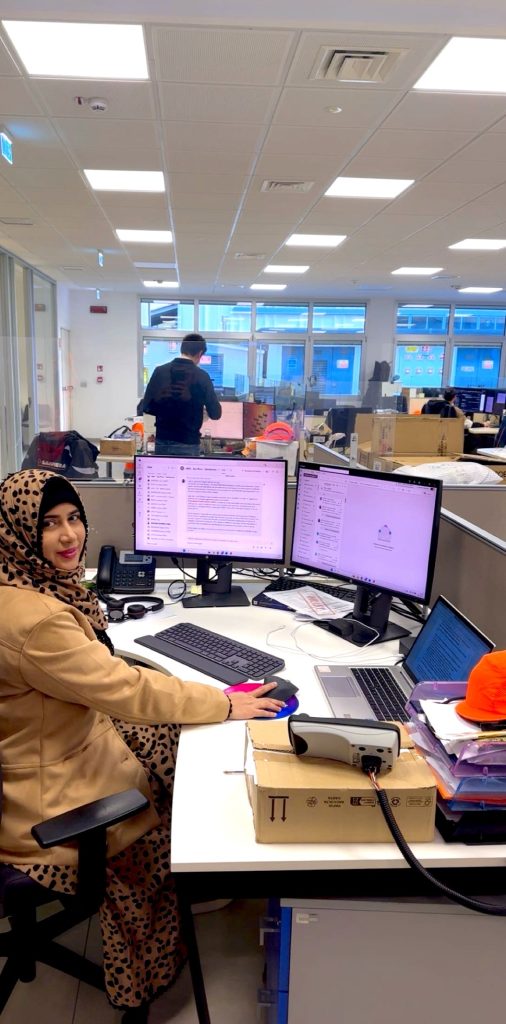
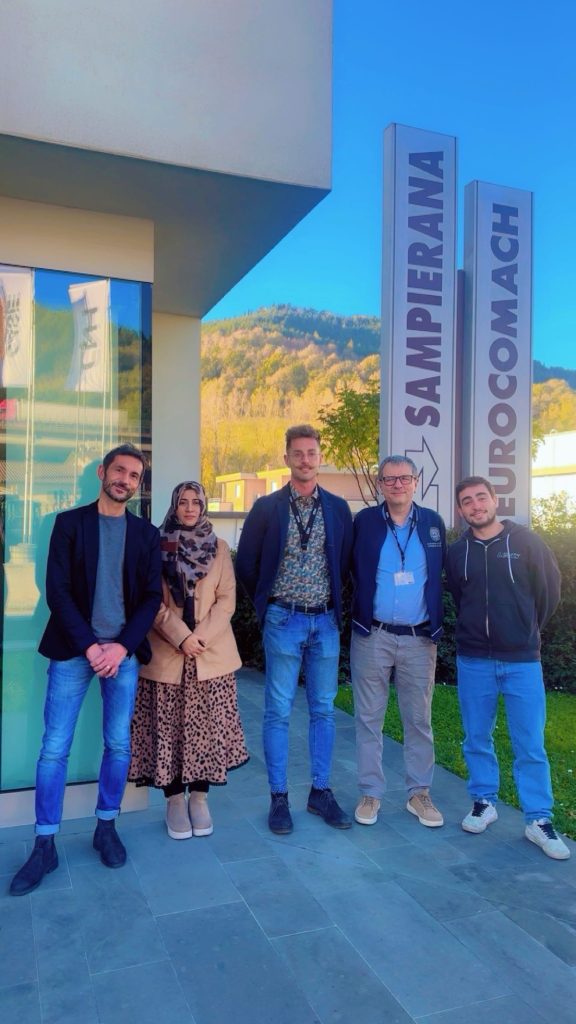
Hira: the first woman researcher in Sampierana

We met Hira, whose presence at our Sampierana plant enriches our research department. With her dark eyes and a calm, yet determined voice, Hira embodies a fascinating and distinct cultural vision, bringing a breath of innovation to our daily work.

Hira is a Researcher directly selected by the University of Bologna (Unibo) for an important project. Backed by a Ph.D. in Communication and Informatics, she is applying her specialized skills—originally focused on intelligent vehicles—to the world of excavators, with a particular focus on electric models.

We interviewed her to hear firsthand about the project she is carrying out here with us, and to discover how her cutting-edge research is shaping the future of our machinery.

How did you start this adventure?

I am a researcher, and I have a Ph. D degree in Communication and Informatics, so it started by applying to Unibo. I saw a project on the Unibo website, basically, it was related to my field. My Ph. D is about Intelligent Vehicles and the vehicles that communicate with infrastructure in other vehicles, like I have seen in Tesla.

The research project is directly connected to my field of study concerning communicating vehicles (V2V/V2D) and their drivers. This technology is vital for excavators in the earthmoving sector, where remote communication is necessary to support operators and improve work efficiency.

I found a specific project focusing on energy optimization and analysis within the earthmoving sector. After applying to the website, I underwent two interviews: a technical interview with the professor and a second with 4-5 people covering more general information. Following this, I was requested to relocate and work in Italy within the construction machinery industry (such as San Piero and CNH), as the project requires a physical presence on-site and cannot be managed entirely remotely.

While you are staying here, are you working in San Piero and also attending university?

I started working in November, and my current time is split between the University and the company plants. Given that my field is Informatics and Computer Science, most of my research analysis can be done remotely.

While you are staying here, are you working in San Piero and also attending university?

When I’m at university, my focus is on planning research notes. However, I am currently in a training phase and not yet performing practical work on the excavators, such as mini excavators, studying the structure of the excavators, analyzing safety components, and reviewing extensive documentation, particularly for electric models.

The goal of this training phase is to thoroughly understand the structure and key parameters. We will only transition to hands-on work with excavators after completing this foundational analysis is complete.

How long have you been planning to stay here?

I am excited to finally apply everything I studied in research and theory to this construction machinery environment.

I plan to stay here for a long time, as I made a deliberate switch from a 10-year career as a University Lecturer (2015-2025) to join the industry. This is the first step in switching my professional field to apply my knowledge in a practical, real-world context.

What is your personal goal in Sampierana?

My personal goal at Sampierana is to apply my PhD expertise in Communication and Vehicles to the earthmoving sector. Drawing inspiration from the CNH view, it is possible to study a system where excavators communicate with each other and with the environment, also taking inspiration from the automotive industry (Tesla is a clear example).

This complete communication procedure must be shifted to the construction machinery industry because it is necessary. Driving excavators is a high-risk task, making drivers and surrounding personnel vulnerable. Therefore, a network for communication and real-time monitoring is essential.

Currently, we lack real-time monitoring of actual vehicle features (like arm movements, joysticks, and brakes), even if we know the GPS location. If we must move a boom, we need remote confirmation that the movement is correct. The goal is to see the complete picture of the work area (e.g., via satellite view) to make better operational decisions, as the driver only sees their specific part. This capability would also allow us to monitor the operator from a distance.

The safety of interconnections is an increasingly prominent topic in the context of earthmoving vehicles.

Hira’s interview allowed us to reflect on new ideas and the evolving role of technology in the earthmoving sector. We are always proud to welcome young faces and voices to Sampierana, as commented by Natalia Bitencourt, HR Product Development & Quality EU:

This collaboration with the University of Cesena represents a fundamental investment in talent and innovation. For Sampierana, focusing on young people and excellent engineering skills is the key to building the future.”


CNH Industrial Cesena

Inauguration of CNH Cesena headquarters and San Piero Canteen

The new facility, thanks to major investments, will become strategic for the production of compact construction equipment, including electric mini-excavators. The inauguration follows that of the new canteen in San Piero in Bagno, which opened on Monday, June 26.

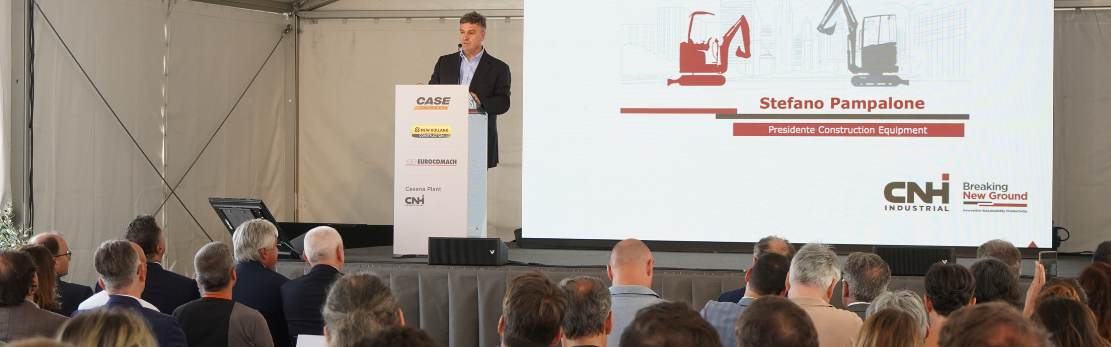
Turin, June 27, 2023 – A new CNH Industrial plant dedicated to the production of mini-excavators, up to 2 tons including electric models, and tracked skid steer loaders was inaugurated today in Cesena. The opening ceremony was held in the presence of Vincenzo Colla, Assessor for Economic Development of the Emilia-Romagna Region, Enzo Lattuca, Mayor of Cesena and President of the Province of Forlì-Cesena, along with Stefano Pampalone, CNH Industrial Construction President and Federico Bullo, Head of Construction Europe.

At the inauguration, Stefano Pampalone announced a donation worth 500,000 euros to the Civil Defense, confirming the company’s commitment to the Cesena area and its closeness to the communities affected by the recent flooding.

Thanks to the acquisition of Sampierana Spa, which took place at the end of 2021, and CNH Industrial’s subsequent investments, the Cesena plant will be able to better manage the increase in production volumes, going to flank and support the historic headquarters in San Piero in Bagno, which with its 14,000 m2 houses the administrative offices, design, an R&D center specializing in electrification and the production of compact machines. A pole of excellence that as of yesterday also has a new canteen, inaugurated by CNH Industrial management in the presence of the deputy mayor of Bagno di Romagna, Enrico Spighi.

The industrial reality, strongly rooted in the area, now has over 400 employees between San Piero in Bagno and Cesena, 60 percent of whom are under 35 years of age; it also boasts an important allied industry and products that have always been a benchmark in the sector, appreciated internationally and exported worldwide under the CASE Construction Equipment, New Holland Construction and Eurocomach brands.

Vincenzo Colla declared:

em>Today’s inauguration represents an important investment for our region and has a strong symbolic value for this territory, ready to restart and compete with the world. The new plant, a center of excellence for compact machines in the construction sector, confirms the quality of our workforce, along with the vision of a large international group with strong territorial roots and an eye always turned toward the future.

Stephen Pampalone pointed out:

“Thanks to the skills, degree of innovation, passion and commitment of the people in Cesena and San Piero in Bagno, our strategy of international development and strengthening of the Construction segment in key markets cPampalone went on:ontinues.”

Pampalone went on:

“The start-up, just this month, of the new production line underscores the company’s commitment to the area and its closeness to the communities affected by the floods.”

Federico Bullo declared:

When it acquired this industrial entity in late 2021, CNH Industrial set out to grow it further by investing in technology, research and development, and, most importantly, in people. The inauguration of the canteen in San Piero and that of the Cesena plant are tangible proof of that commitment.”

The morning ended with a tour of the new plant and a presentation of machines, including the new fully electric 1.5-ton mini-excavator that carries forward CNH Industrial’s construction equipment electrification strategy and will soon be joined by the larger 2.5-ton model. The two models will cover the two most important segments of the market with a view to sustainability and reduced environmental impact.

CNH Industrial (NYSE: CNHI / MI: CNHI) is a leading global Machinery and Services Company. Guided by its Breaking New Ground purpose, focused on Innovation, Sustainability and Productivity, the Company provides the strategic direction, R&S capabilities and investments that make the success of its global and regional brands possible. Globally, Case IH and New Holland Agriculture provide all-around agricultural applications, from machinery to equipment along with the digital technologies that enhance them; CASE and New Holland Construction Equipment, offer a full line of construction products that increase productivity in the industry. The Company’s regionally focused brands include STEYR, for agricultural tractors; Raven, a leader in digital agriculture, precision technology, and autonomous systems development; Flexi-Coil, specializing in tillage and seeding systems; and Miller, a manufacturer of application equipment; Kongskilde, supplying equipment for tillage, seeding, hay and forage management; and Eurocomach, manufacturer of a wide range of mini and midi excavators for the construction industry, including electric solutions.

Backed by more than two centuries of history, CNH Industrial has always been at the forefront of the industries in which it operates and continues to drive innovation with passion and enthusiasm, fostering efficiency and customer success. As a truly global company, CNH Industrial’s more than 40,000 employees all work together to create a work environment of diversity and inclusion, with the common goal of helping customers cultivate and build a better world.

For more information and to view the latest financial and sustainability reports, visit: cnhindustrial.com