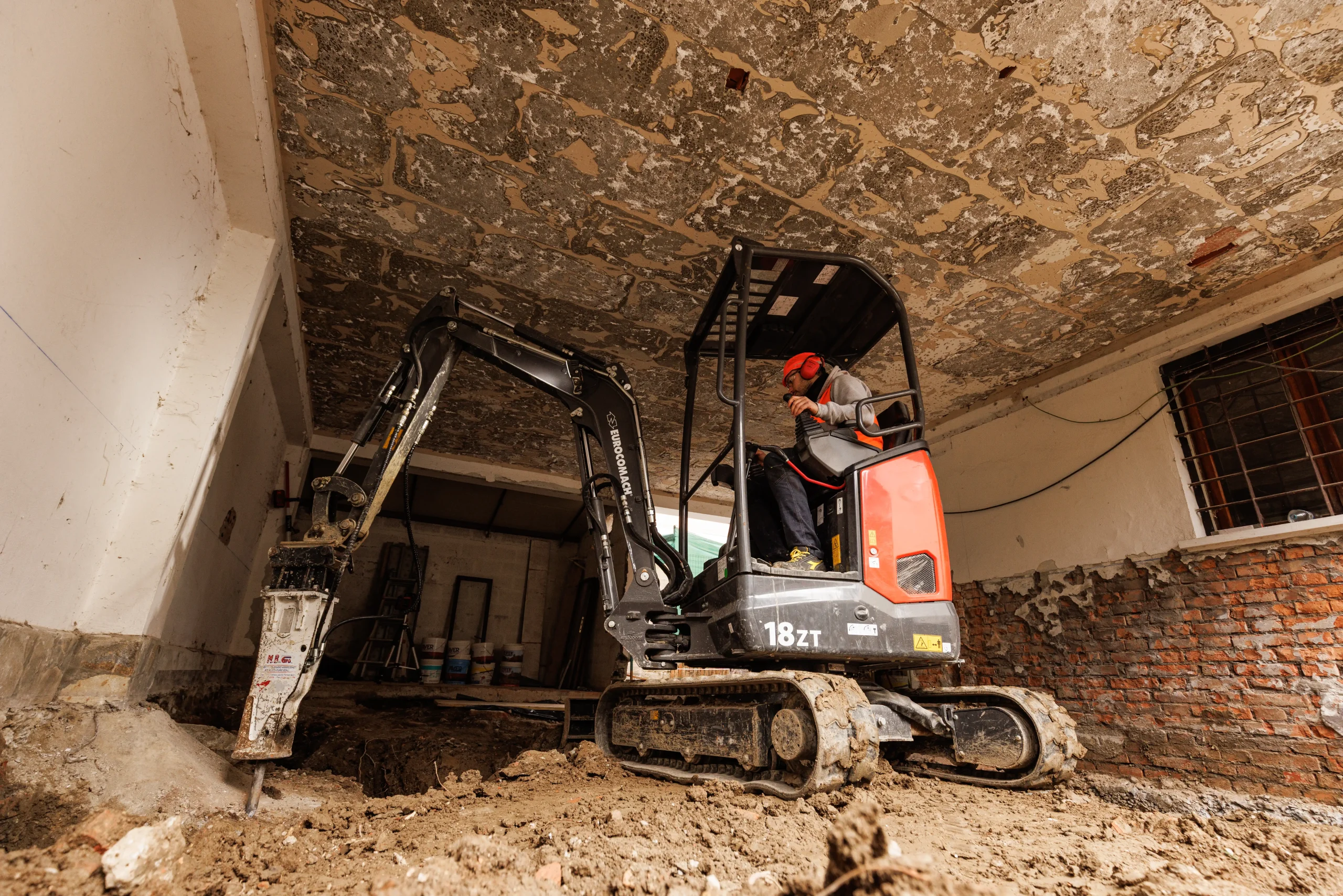
The Evolution of Demolition: How to Choose the Perfect Hydraulic Breaker for Your Excavator
When it comes to jobsite productivity, the excavator is only half the battle. The real leap in quality comes from the attachment. The hydraulic breaker, in particular, is subjected to constant stress.
But how do you recognize a smart investment that eliminates machine downtime? The answer lies in construction technology.
Here are the 5 pillars of efficiency to consider for your fleet.
Table of Contents
Structure: Monoblock vs. Traditional Tie Rods
In traditional breakers, tie rods require continuous tightening and frequent maintenance.
The technological choice: A monoblock, tie-rodless architecture eliminates the problem at its root, offering superior resistance to torsional stress.
The field advantage: It reduces resonance and vibrations transmitted to the excavator arm, preserving the machine's structure over time
Ergonomics: Geometry and Visibility
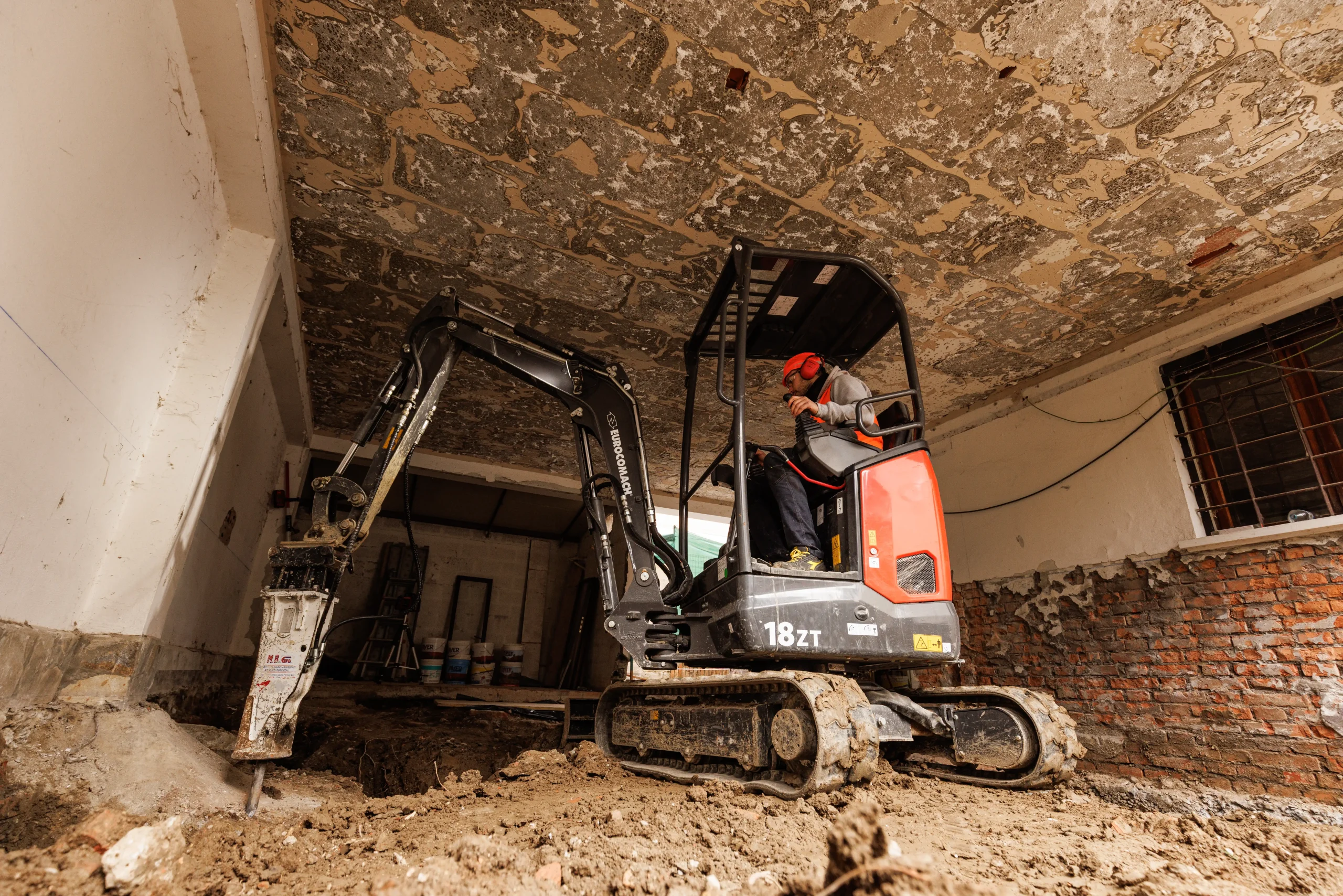
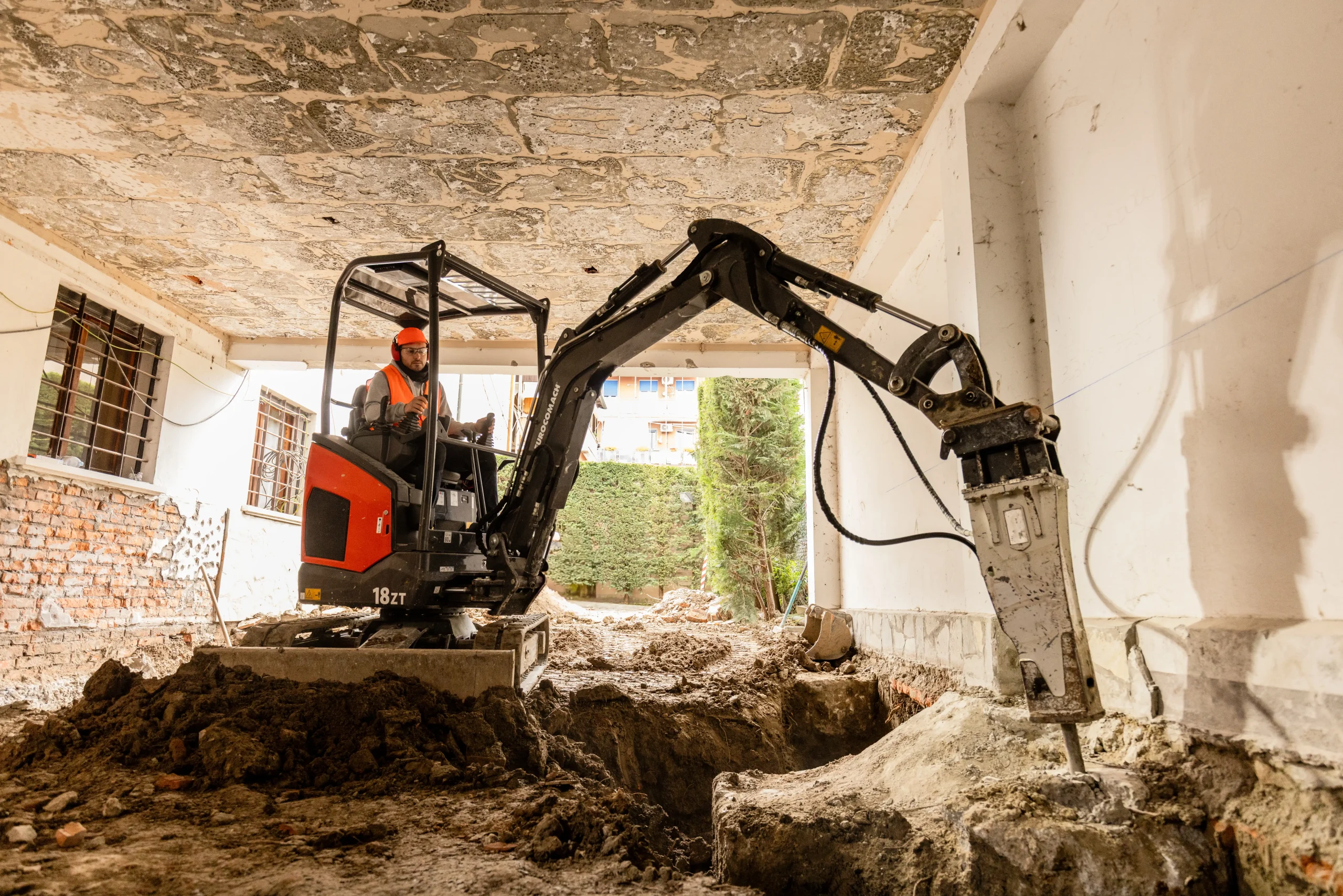
Power is useless if the operator cannot guide it with millimeter precision.
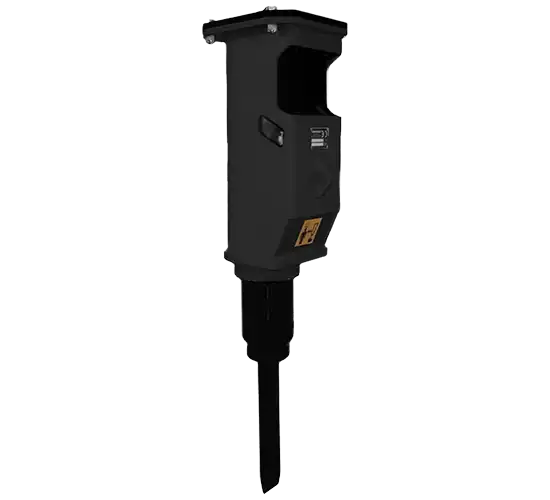
The technological choice: A slim, ergonomic casing design is essential, especially for high-precision work or inside narrow trenches.
The field advantage: It allows the operator to maintain full visibility of the tool’s impact point directly from the cab, reducing fatigue.
The Hydraulic Heart: Single-Acting System
Optimizing flows means reducing excavator fuel consumption and component wear.
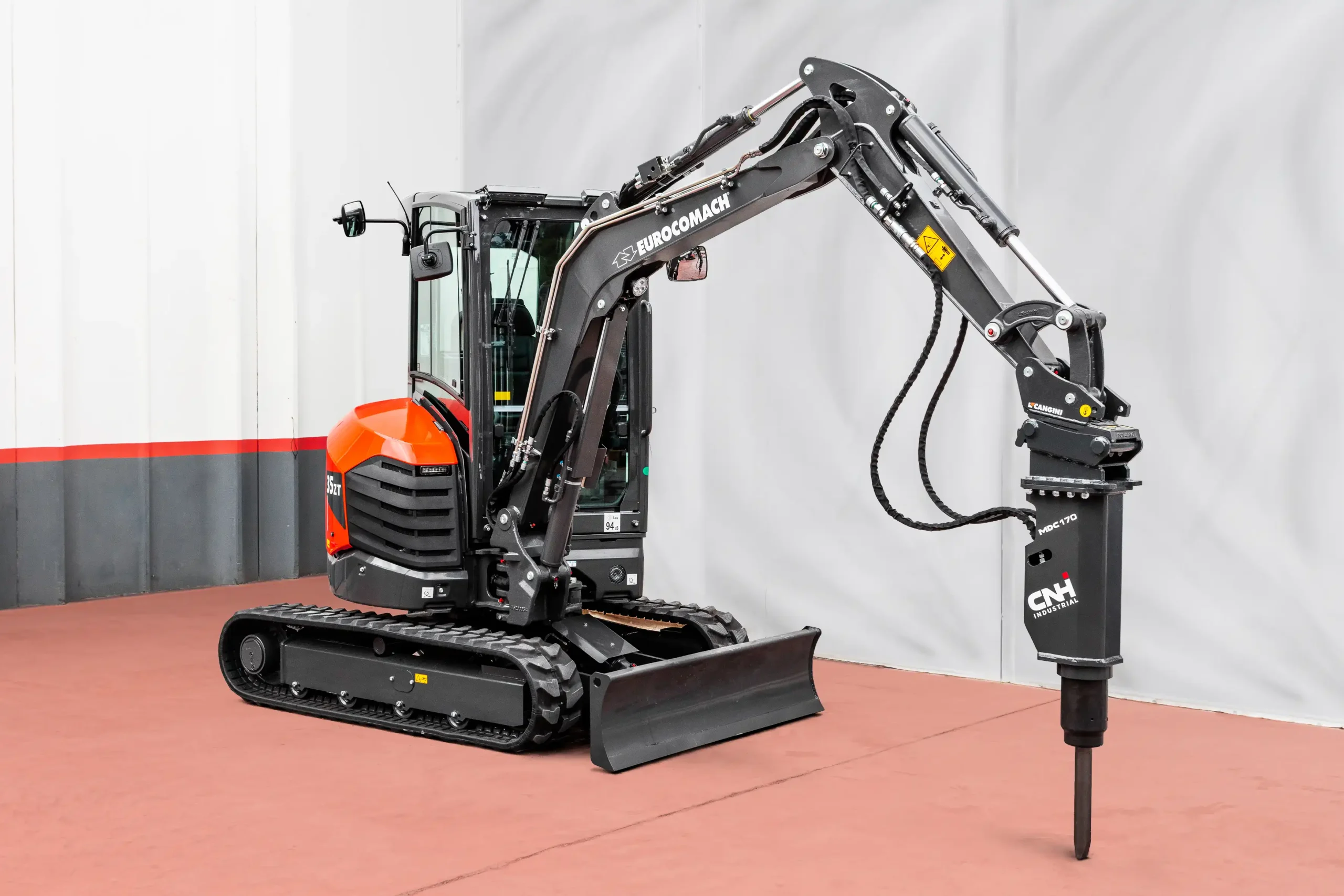
The technological choice: In a single-acting system, hydraulic oil is only used to lift the piston, while the blow stroke is generated entirely by gas pressure.
The field advantage: This delivers significant energy savings and lower thermal stress on the oil. Furthermore, this balance allows the breaker to work in any position, even upside down.
The Evolution of Force: Diaphragm-Free Design
Diaphragms (or membranes) are elastic components subject to natural wear and pressure drops.
The technological choice: Eliminating the diaphragm reduces internal components and relies on precision mechanical systems to retain the gas.
The field advantage: It ensures more consistent power and long-term gas retention, drastically cutting routine maintenance costs.
Accessibility: External Control Valve
Time is money, and every minute spent stationary in the workshop is a cost for the jobsite.
The technological choice: Positioning the hydraulic control valve on the outside of the breaker body completely changes the approach to servicing.
The field advantage: Diagnostics become immediate and do not require dismantling the equipment, radically eliminating the risk of internal scoring or seizing.
A System Choice
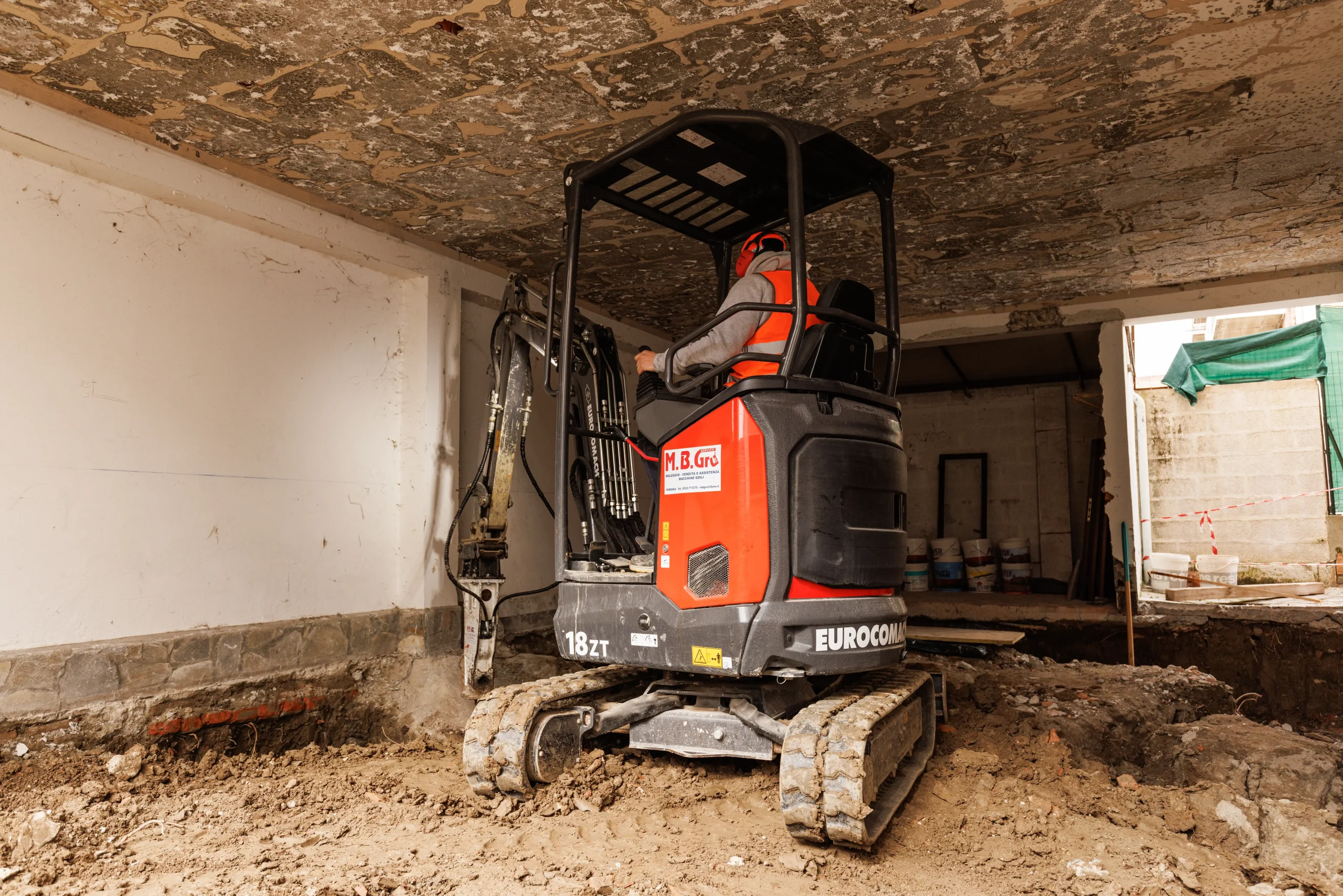
Choosing the right attachment means completing your excavator's ecosystem to maximize hourly productivity. When power meets engineering simplicity, the jobsite moves faster.